Procurement Savings Tracking Software
Track savings from opportunity to validated P&L impact
Get a Demo










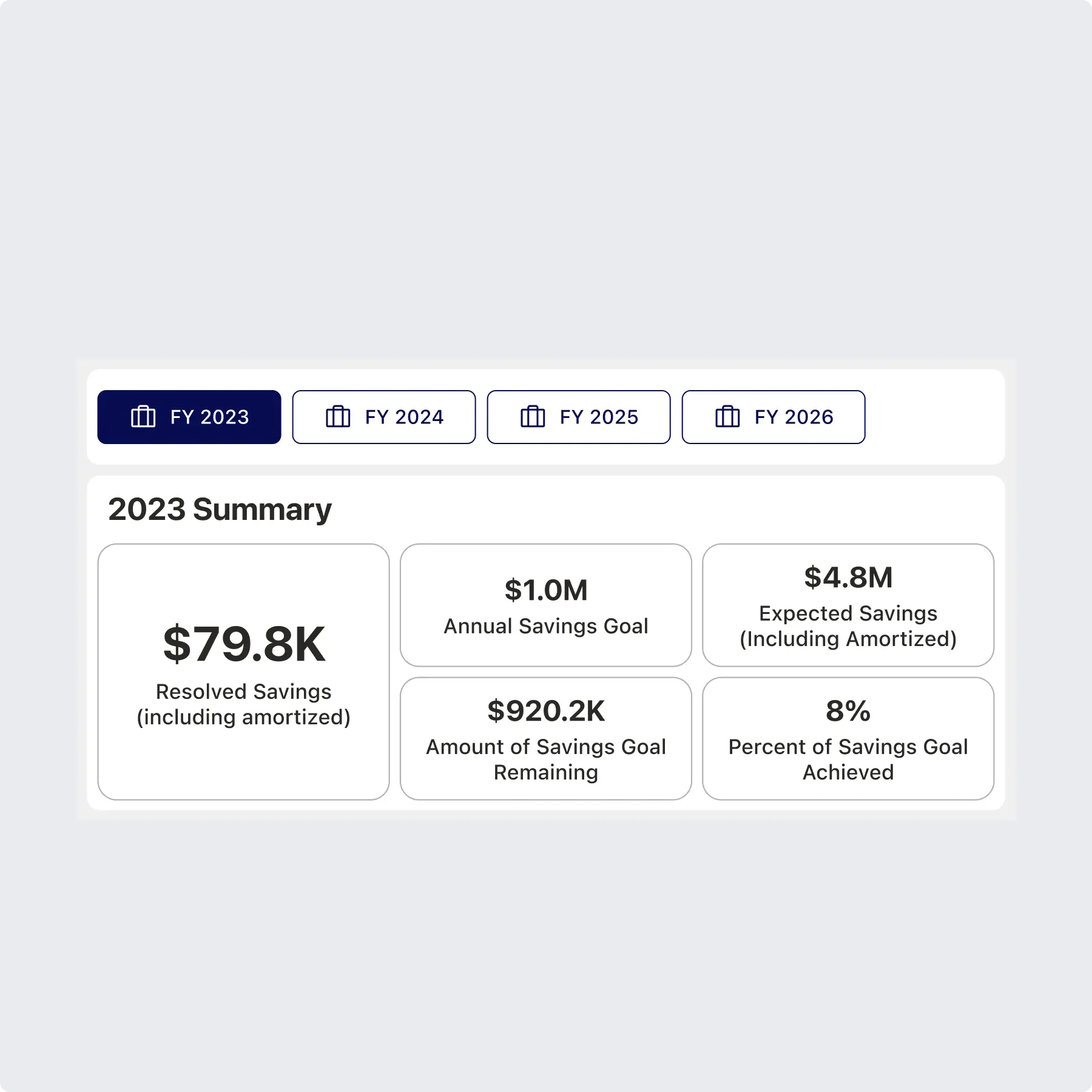
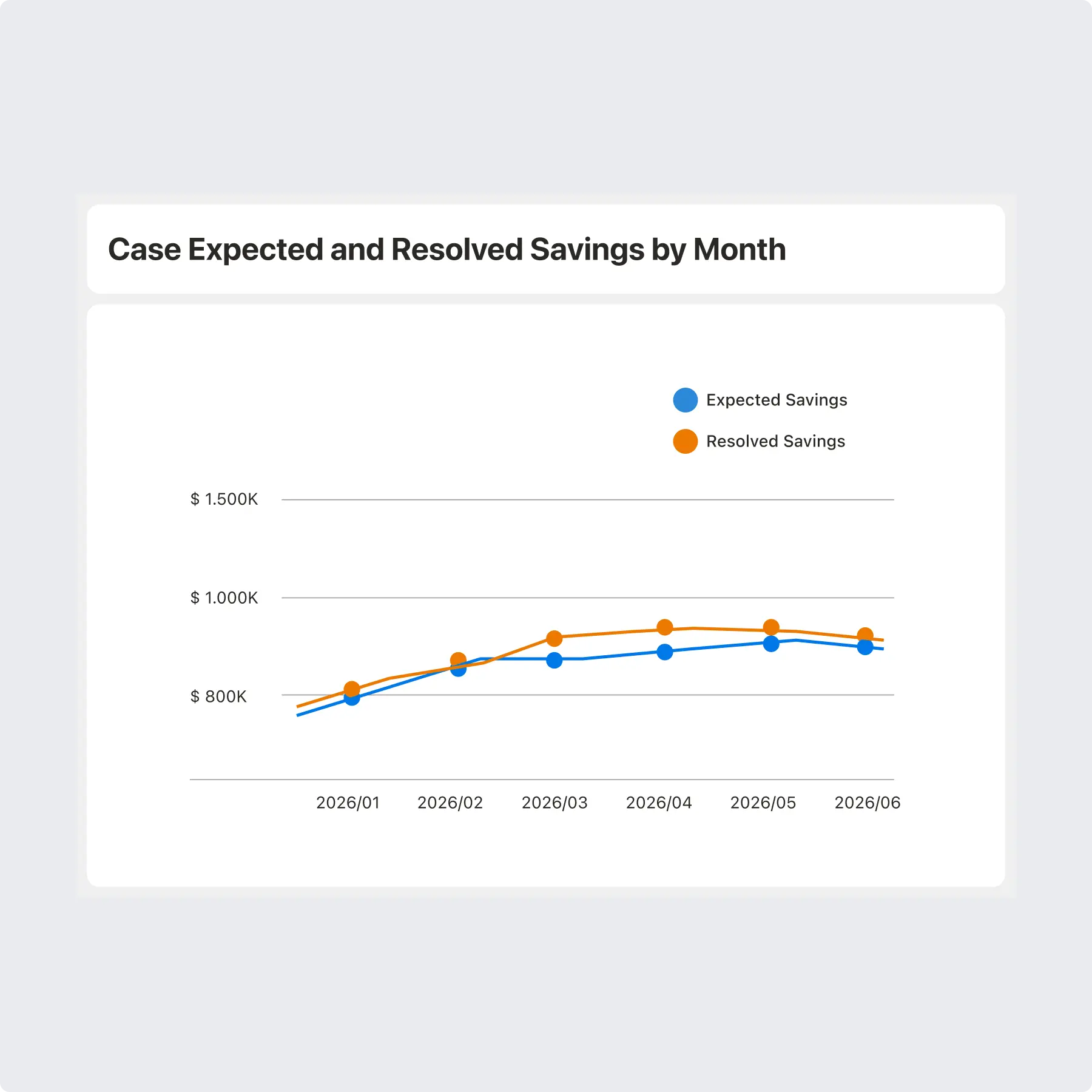
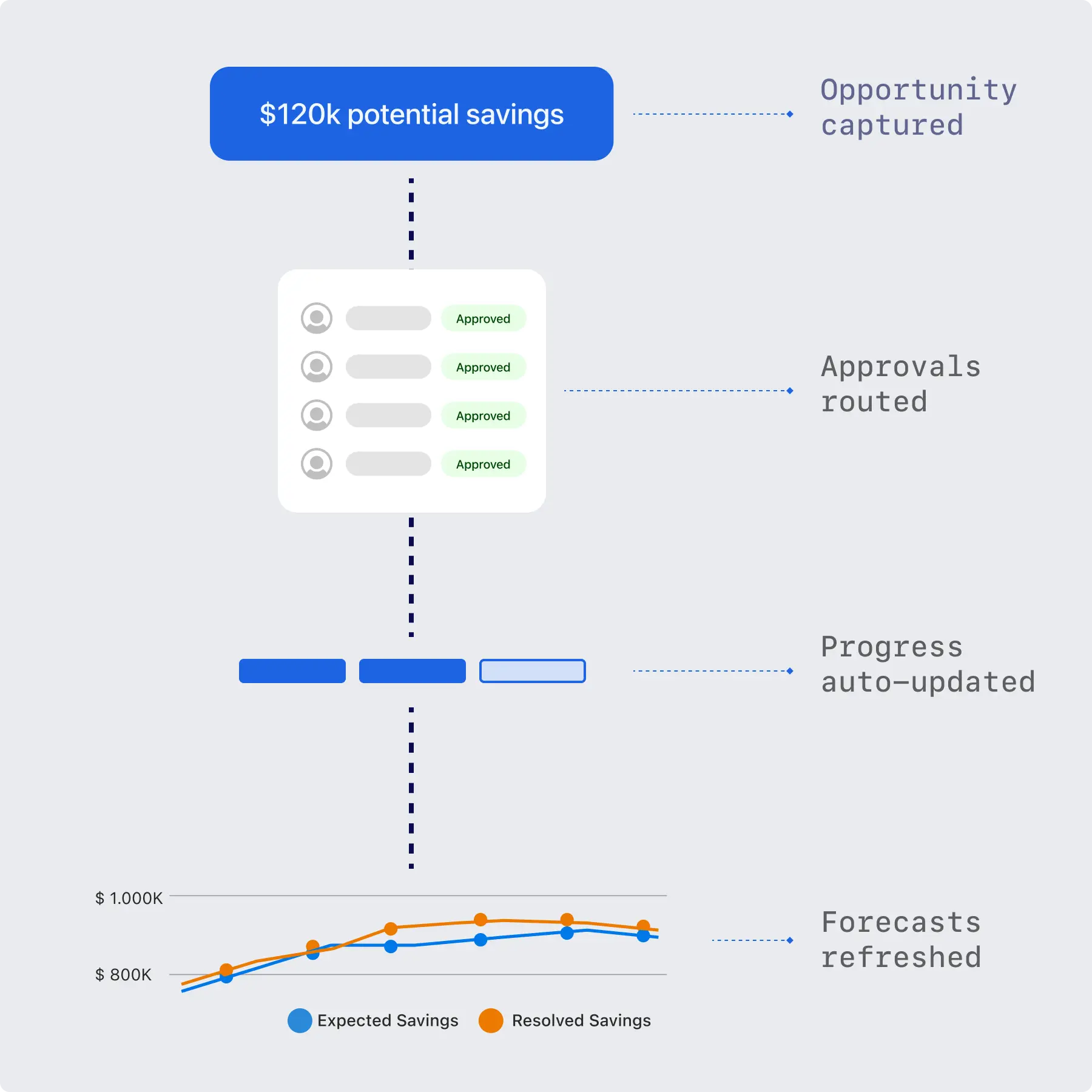
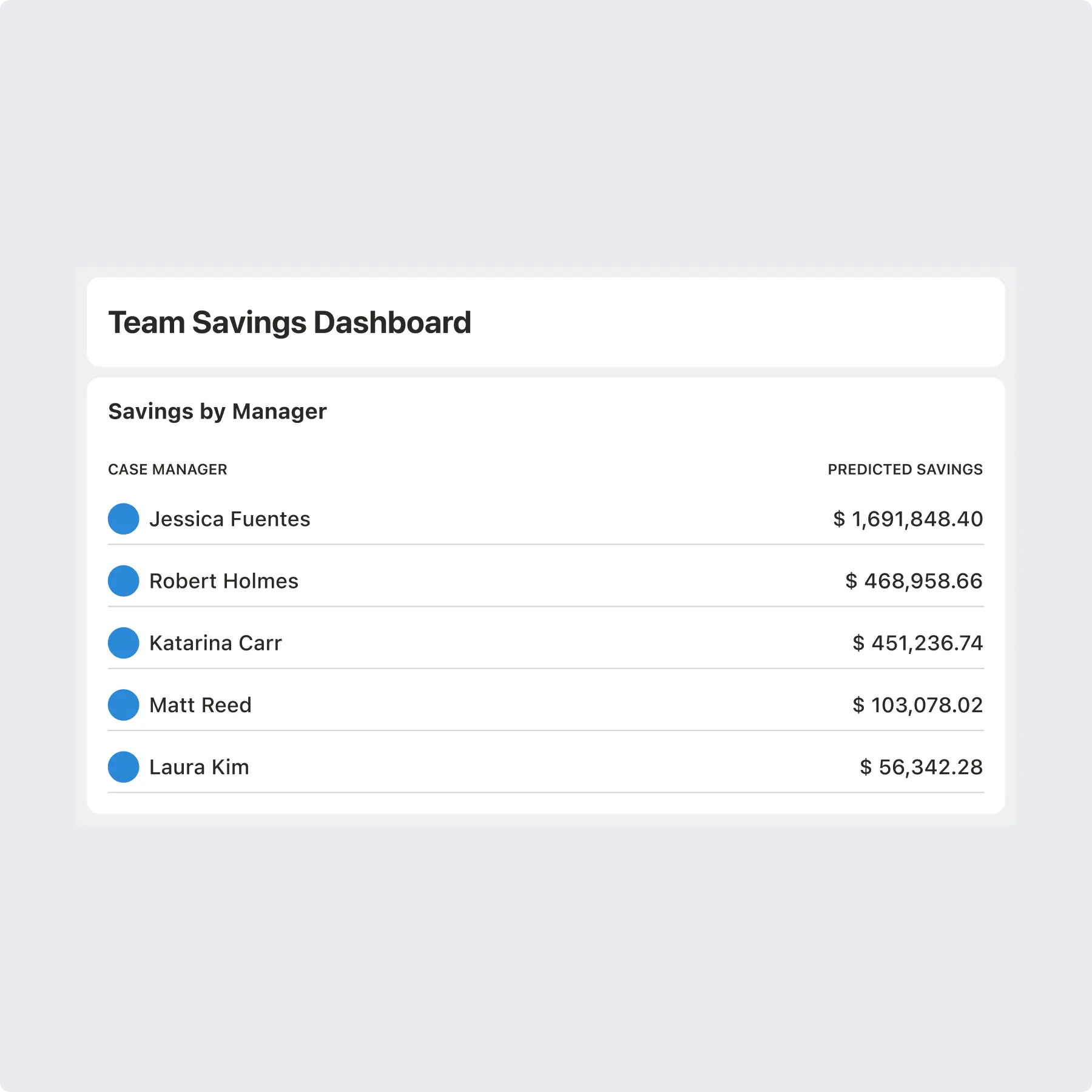












Suplari Savings Tracking is an automated software solution fo identifying, measuring, and validating cost reductions achieved through procurement initiatives. It creates an auditable connection between procurement actions—like negotiating better prices, consolidating suppliers, or eliminating maverick spend—and actual financial impact on the P&L.
Suplari Savings Tracker calculates the difference between what an organization would have paid under previous conditions and what they actually paid after a procurement intervention. This requires establishing a credible baseline—typically the previous contract price, market index, or budgeted cost—then tracking actual spend against that baseline while adjusting for volume changes, inflation, and market conditions.
Suplari Savings Tracking eliminate manual calculation errors and provide audit trails that CFOs can trust. Realized cost savings are validated by comparing actual spend data after a procurement initiative against an adjusted baseline that accounts for volume changes, inflation, currency fluctuations, and market conditions. The validation process requires: (1) establishing a credible pre-initiative baseline using historical spend data, (2) tracking actual post-initiative spend from integrated ERP and P2P systems, (3) adjusting for volume differences using purchase order or invoice quantities, (4) normalizing for market price movements using commodity indices where applicable, and (5) calculating the year-over-year or period-over-period difference.
Suplari Savings Tracking unifies procurement and finance data, enforce consistent calculation rules, and provide shared dashboards that create transparency and accountability across both organizations. Aligning procurement and finance on savings requires three critical elements: (1) a single source of truth for spend data that both teams trust, eliminating disputes about baselines and actuals, (2) agreed-upon savings calculation methodologies that define what counts as hard vs. soft savings, one-time vs. recurring, and cost reduction vs. avoidance, and (3) real-time visibility into the savings pipeline, achievement rates, and forecast timing so finance can incorporate procurement's contribution into budget planning.
Suplari Savings Tracking software provides five critical advantages over spreadsheets: (1) Automated data integration eliminates manual data entry errors by connecting directly to ERP, P2P, and contract systems for real-time actuals, (2) Enforced calculation consistency applies standardized savings methodologies across all initiatives instead of relying on individual analyst interpretations, (3) Auditable tracking creates immutable records of baselines, assumptions, and approvals that spreadsheets can't provide, (4) Collaborative workflows route initiatives through proper approval chains and notify stakeholders automatically, and (5) Scalability enables enterprise-wide visibility across hundreds or thousands of initiatives that become unmanageable in spreadsheets. Most importantly, Suplari validates savings against unified spend data, providing the credibility with CFOs that spreadsheet calculations never achieve.
Yes, Suplari can automate savings opportunity identification by continuously analyzing unified spend data to detect patterns that indicate value leakage. Procurement-specific AI agents identify opportunities across multiple categories: Price optimization (suppliers charging more than market rates or peer prices), Demand management (unusual consumption patterns or specification creep), Supplier consolidation (fragmented spend across too many vendors), Contract compliance (off-contract purchases or missed volume discounts), Payment terms (opportunities to extend DPO or capture early payment discounts), and Tail spend (small suppliers creating administrative overhead).