




You're staring at spreadsheets filled with procurement data. Your CFO asked for visibility into spending patterns. Your procurement department wants to see cost-saving opportunities. The executive team wants their dashboards updated yesterday. Sound familiar?
This scenario plays out in procurement teams across the globe. Organizations recognize they need robust spend analysis capabilities, but they face a critical decision: should you build a solution or buy one?
Understanding your options will help you make the right choice for your organization. Here is what you need to know based on a decade of building spend analytics solutions at Suplari.
Where traditional spend analysis falls short
A key mistake in procurement transformation is to settle for legacy spend analysis reporting.
Traditional approaches to spend analysis—primarily Excel spreadsheets and basic business intelligence tools like Power BI—simply can't handle the complexity and scale of modern procurement data.
Excel's critical limitations
Excel remains the default choice for many procurement analysts, but it's fundamentally inadequate for enterprise-scale spend analysis. Spreadsheets break down when handling millions of transaction records, leading to crashes, corrupted files, and incomplete analysis. Manual data manipulation is error-prone and time-consuming, with analysts spending up to 70-80% of their time on data preparation rather than insight generation.
Power BI's blind spots
While Power BI offers better visualization capabilities than Excel, it still falls short for sophisticated spend analysis. The platform requires significant technical expertise to build meaningful dashboards, creating bottlenecks when only a few team members can generate insights. Data preparation remains largely manual, and the tool struggles with the complex data relationships typical in procurement systems. What’s even worse, maintaining spend analytics in BI reporting often requires a dedicated team of data analysts. For enterprise businesses, the cost can be in the millions.
The business case for spend analytics
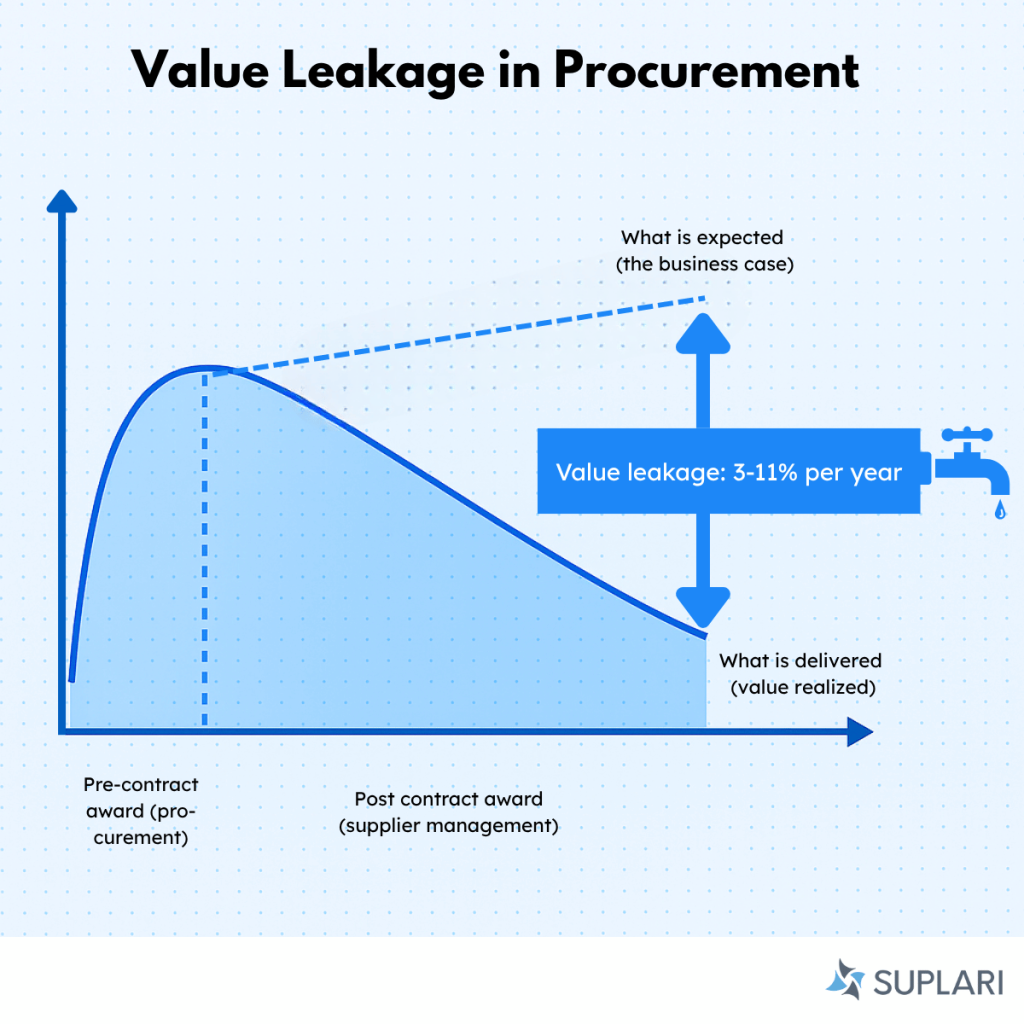
Spend analytics isn't just about pretty charts and graphs. It's about unlocking the hidden value in your procurement data. According to various estimates, organizations typically see 3-11% savings on their total spend within the first year of implementing spend analytics. Those that get it wrong? They often struggle with incomplete data, unreliable insights, and missed opportunities.
The choice between building and buying affects more than your immediate budget. It shapes your organization's analytical capabilities for years to come. Let's break down your options.
Build a spend analysis solution
When you build a spend analytics solution internally, you're essentially creating a tailored system from the ground up. This means developing data collection processes, analytics engines, reporting dashboards, and user interfaces specifically for your organization.
The case for building spend analytics in-house
There are two really good reasons for building a spend analysis solution: configurability and control.
Configurability
Complete customization sits at the heart of the build approach. You can design every feature around your unique business requirements. Need to track spending across unusual cost centers? No problem. Want to integrate with legacy IT systems? You control that integration.
Control
You maintain total control over your data and processes. This matters especially in organizations with strong internal IT teams with capabilities to dedicate data engineers and analysts to building enterprise-wide analytics solutions. When you build internally, this sensitive information never leaves your environment.
Limitations of building spend analytics
- Cost: The upfront investment will test your commitment. Building a robust spend analytics platform requires significant resources. You'll need data engineers, analytics specialists, user experience designers, and project managers. Most organizations underestimate these costs by 30-50%.
- Time: Time becomes your enemy. A comprehensive spend analytics solution takes 12-18 months to develop and deploy. During this period, you're missing opportunities to optimize spending. Your competitors using vendor solutions gain advantages while you're still building.
- Skill gaps: Specialized skills create ongoing challenges. Your team needs expertise in data management, statistical analysis, procurement processes, and modern analytics technologies. Or, you need people on your IT team that understand procurement. Finding people with this combination of skills is both difficult and expensive.
Buy a spend analysis solution
Purchasing a pre-built solution means selecting a procurement analytics platform and configuring it for your organization. These solutions come with established features, proven methodologies, and ongoing support.
Why buying makes sense for most organizations
- Speed: with ready-made spend analytics you can be operational within 2-4 months. You start seeing value almost immediately while building solutions are still months away from delivering insights.
- Advanced features: Specialized features give you competitive advantages. At Suplari, we’ve invested millions in developing advanced analytics capabilities. We use machine learning algorithms for spend classification, predictive analytics for demand forecasting, and sophisticated supplier risk assessments. Building these capabilities internally would take years.
- Cost: Reduced IT burden frees your team for strategic work. Your team can focus on analyzing insights and driving business results instead of managing servers and debugging code.
Limitations of buying spend analytics
Customization has limits. Spend analytics solutions offer configuration options, but they can't accommodate every unique requirement. You might need to adjust your processes to fit the software rather than the other way around.
You’re investing in a solution for procurement, not an enterprise data lake. With a bought solution, the data management aspect is driven by the solution provider. There are limits to how you can use the data outside of procurement.
Making the right decision for your organization
Several factors should guide your decision-making process.
1. Assess your data foundation
Spend analytics is only as good as the data feeding it. If your data quality is poor or your systems are fragmented, you'll need to address these issues regardless of whether you build or buy. Sometimes buying a solution that includes data cleansing capabilities makes more sense than building on a shaky foundation.
2. Define your business requirements
Generic analytics won't drive meaningful results. Identify the specific insights you need, the decisions these insights will support, and the stakeholders who will use the system. This clarity helps you evaluate whether vendor solutions meet your needs or if custom development is necessary.
3. Calculate total cost of ownership (TCO)
Building costs include development, maintenance, upgrades, and opportunity costs. Buying costs include subscriptions, implementation, training, and customization. Model both scenarios over 5-7 years to understand the true financial impact.
4. Evaluate your technical capabilities
Building requires ongoing technical expertise, not just initial development skills. If your organization struggles to maintain existing systems, adding a complex analytics platform will strain your resources further.
5. Map your strategic timeline
If you need insights quickly to support major procurement decisions, buying provides faster value. If you're planning a multi-year procurement transformation, align plans with your broader technology strategy.
Curious to know how adopting AI in procurement could be the right decision for you? We wrote a detailed guide about this matter.
Success factors regardless of your choice
Whether you build or buy spend analysis solutions, certain factors determine success.
Data governance
Establish clear processes for data collection, validation, and maintenance. Poor data quality will undermine any analytics solution, regardless of how sophisticated the technology.
User adoption
The most advanced analytics platform is worthless if your team doesn't use it effectively. Invest in training and change management from the beginning.
Continuous improvement
Spend analytics isn't a one-time implementation. Plan for regular updates, feature enhancements, and evolving user requirements.
Which option is right for you?
Most organizations benefit from buying spend analytics software, especially those with limited technical resources or urgent analytical needs. The speed and specialized capabilities of established platforms typically outweigh the higher costs and reduced customization.
Building makes sense for large organizations with unique requirements, strong technical capabilities, and patient timelines. If your procurement processes are highly specialized or you handle extremely sensitive data, custom development might provide necessary advantages.
Remember, this decision isn't permanent. You can evolve your approach as your organization's needs and capabilities change. The key is making an informed choice based on your current situation while maintaining flexibility for the future.
Whether you build, buy, or blend approaches, the important thing is getting started. The cost of inaction often exceeds the cost of imperfect action. Explore your next steps with a personalized demo of Suplari.


