Drive Procurement Performance with Decisions, not Spreadsheets


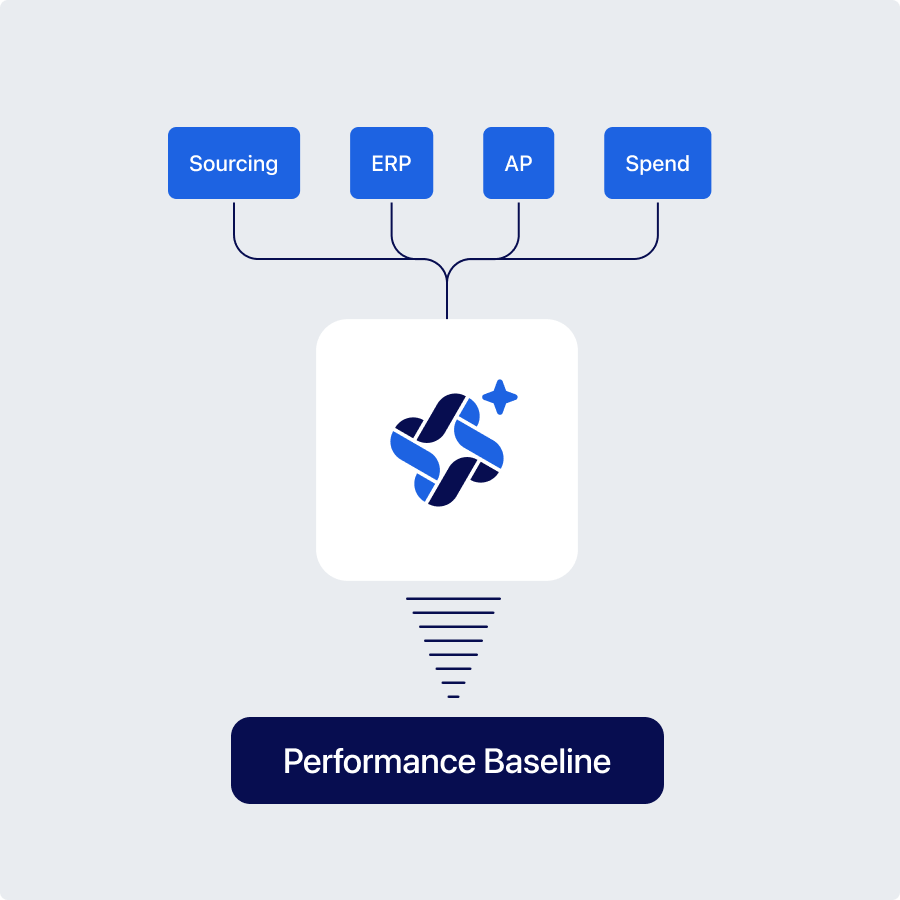
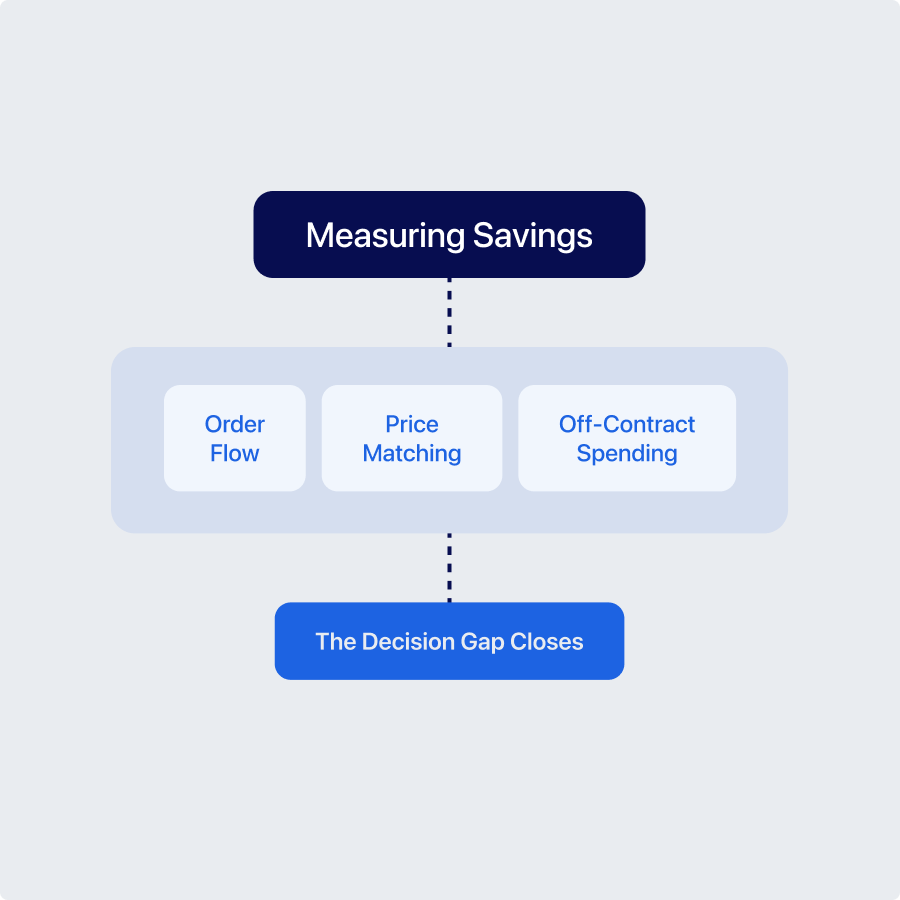
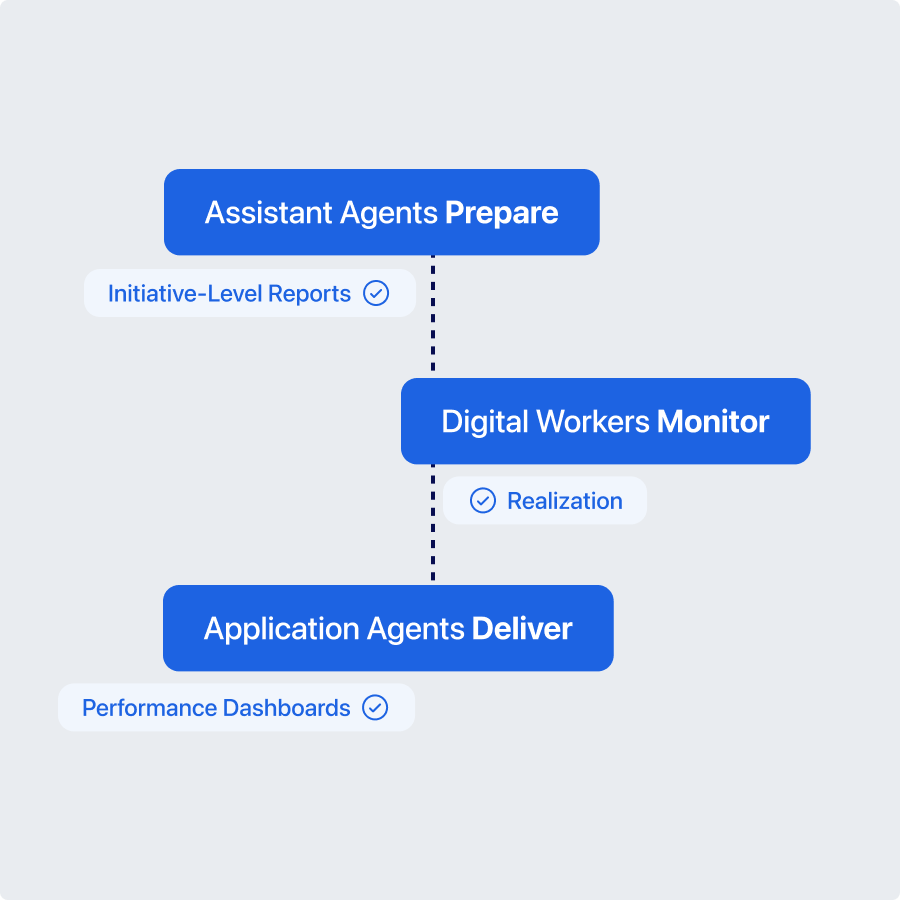



Procurement teams prove cost savings to finance by aligning on savings definitions and baselines before initiatives begin, tracking savings at the invoice level rather than the contract level, and using closed-loop tracking platforms that connect negotiated terms to actual P&L outcomes. The most effective approach uses a finance-approved methodology (historic price-to-price, budget vs. actual, or market benchmark), validates savings through automated invoice reconciliation, and presents results in standardized reports that match finance's existing metrics. Platforms like Suplari automate this process by connecting AI-detected savings opportunities through execution workflows to invoice-validated realization, creating an auditable evidence trail that eliminates the "spreadsheet debate" between procurement and finance.
The most effective tools for proving savings to the CFO are closed-loop savings tracking platforms that connect opportunity identification to contract execution to invoice-level validation. Suplari's Savings Tracking and Value Orchestration capabilities create this closed loop automatically — AI agents detect savings opportunities in unified spend data, track them through execution, and validate realized savings against actual invoice payments with full audit trails. This replaces the spreadsheet-based tracking that most organizations rely on and that finance teams routinely distrust. Other approaches include spend analytics modules within S2P suites (Coupa, SAP Ariba), though most lack the closed-loop connection from insight to P&L-validated outcome.
Forecasted savings are projected cost reductions calculated at contract signature based on negotiated terms. Realized savings are verified reductions confirmed by actual invoice data and validated by finance, typically 30–60% lower than forecasts for organizations without automated tracking. The gap between forecasted and realized savings is caused by contract leakage, maverick spend, volume variability, and baseline disputes. Suplari's Savings Tracking platform closes this gap by continuously reconciling negotiated contract terms against actual invoice payments, catching leakage early enough to intervene and producing finance-validated evidence of what actually reached the P&L.
The five primary causes are contract leakage from maverick spend (purchases that bypass negotiated contracts), baseline disputes between procurement and finance (disagreements about what price to measure savings against), volume and demand variability (lower volumes reducing total savings impact), timing misalignment between contract signature and invoice payment, and lack of continuous monitoring to catch deviations early. Suplari addresses each cause through automated contract compliance monitoring, pre-aligned baseline documentation, volume-normalized calculations, P&L-timed reporting, and continuous reconciliation that catches leakage within days rather than quarters.

