Suplari Canvas
Build the procurement dashboard you need without a BI specialist or an IT ticket
Get a Demo
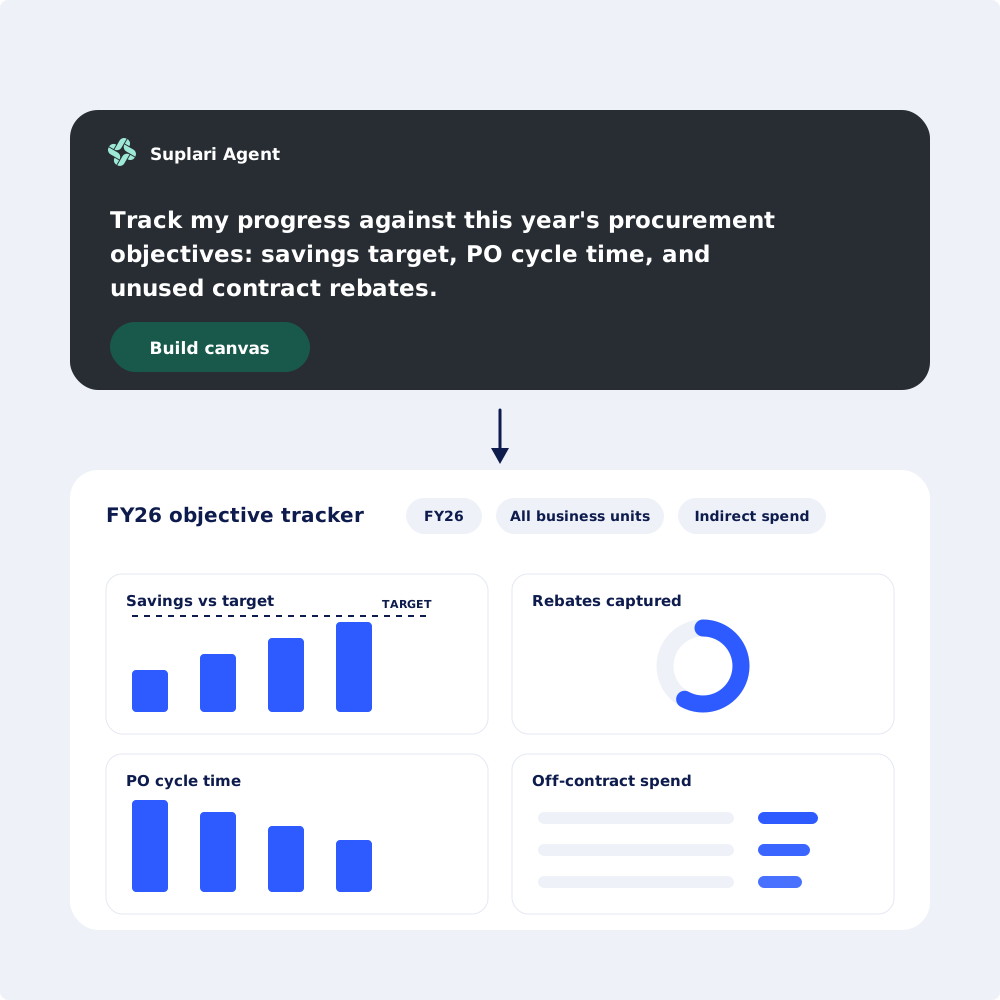









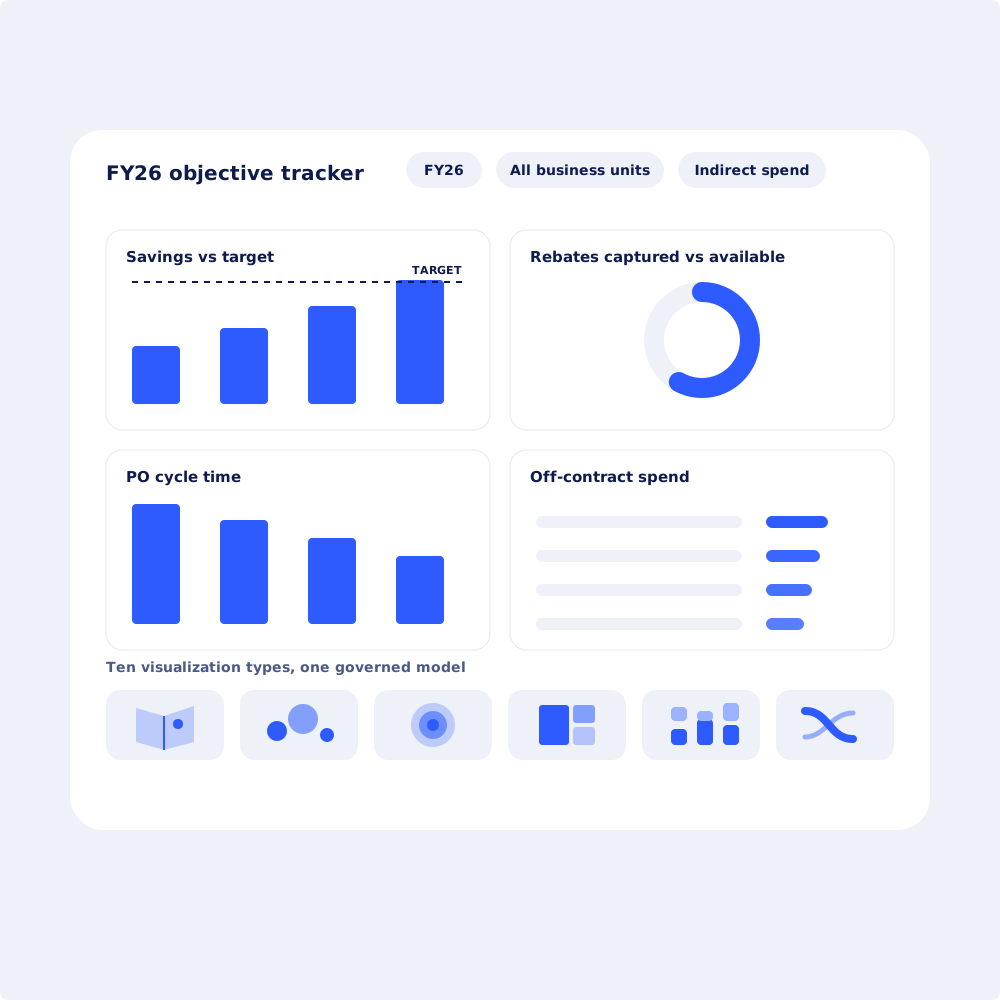
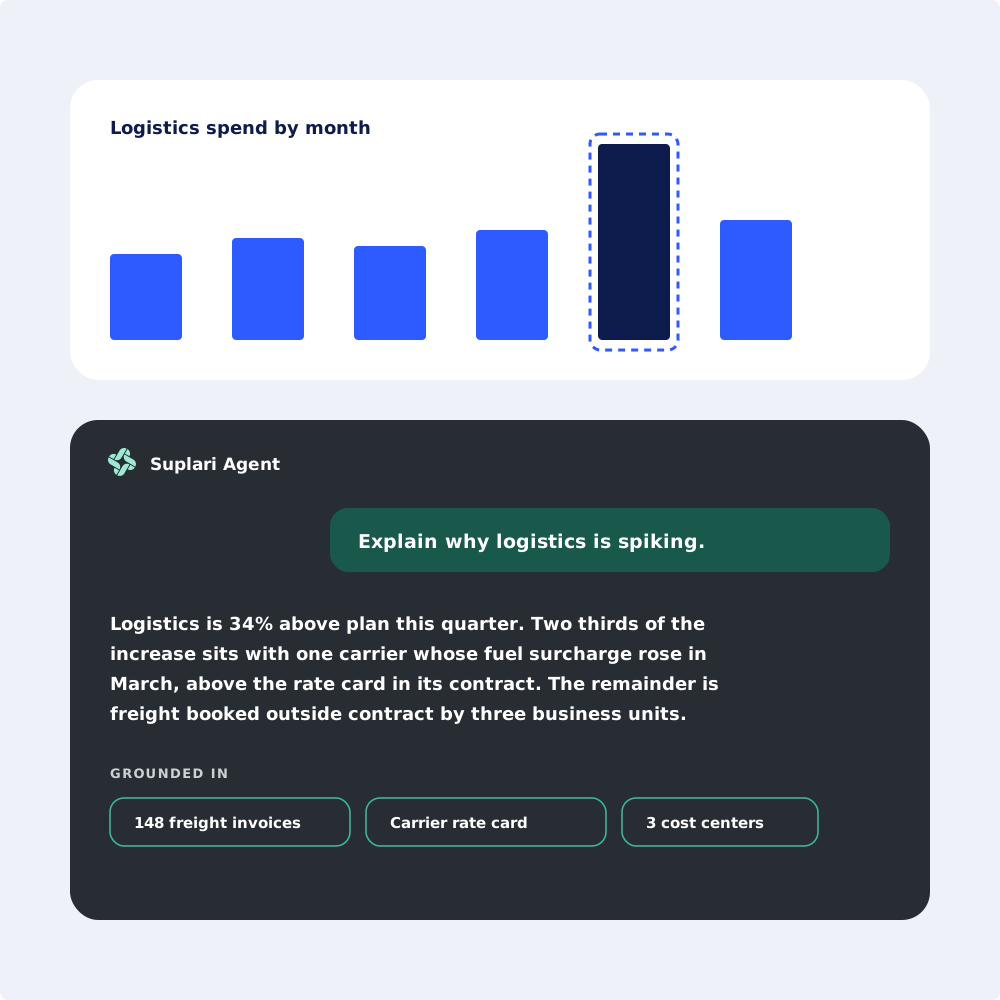












Most cover spend by category and business unit, supplier concentration and risk, contract coverage and upcoming renewals, purchase order and policy compliance, and savings performance against target. Which of those matters depends on the role. A CPO view is usually a small number of trends and exceptions, while a category manager's working view needs supplier-level detail and the ability to drill into transactions.
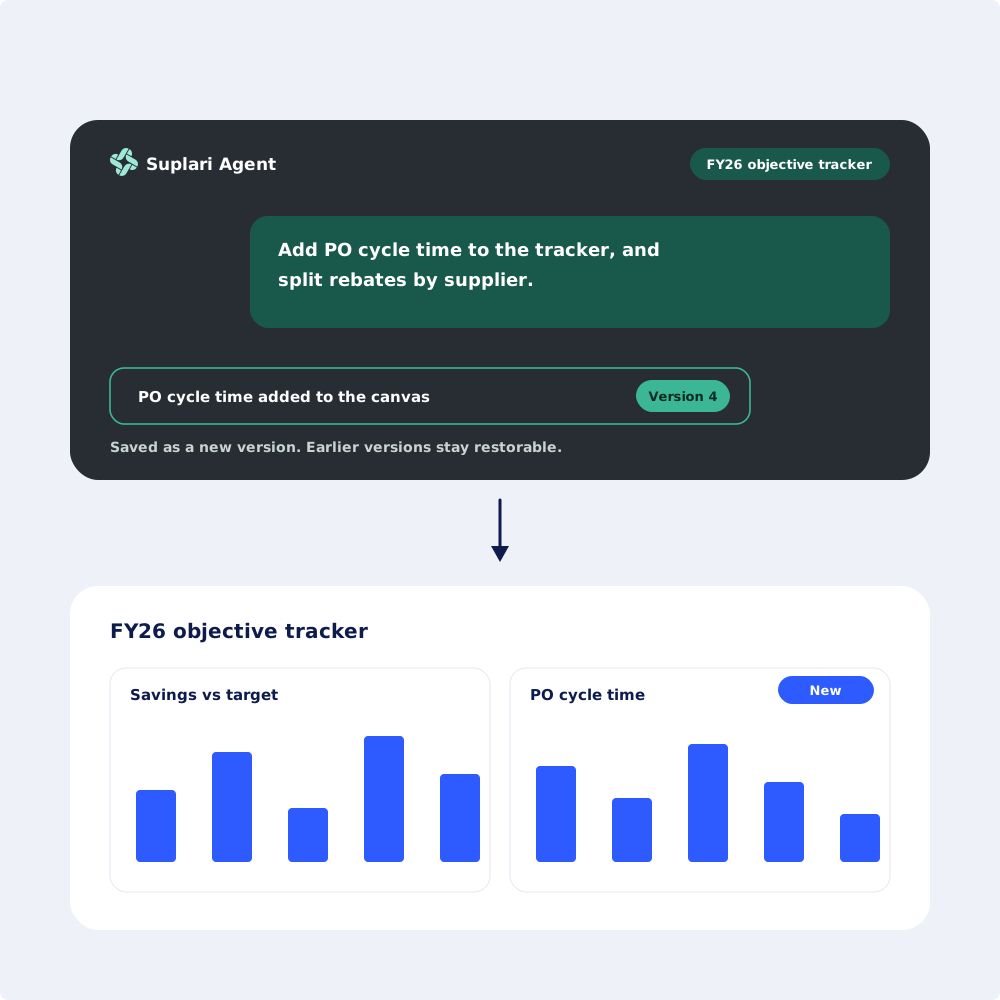
With a tool that reads an already-modeled procurement dataset, yes. The specialist requirement in most organizations sits in the modeling step, before any chart is drawn, so the answer depends on whether spend, supplier and contract data has been unified and classified beforehand. Suplari Canvas builds on a model that is already unified, so building a view takes no BI expertise and no query language.
It can draw a chart from a file you give it. What it returns is an answer inside a session, not an element that persists in a system carrying classification, filtering, access control and drill-through to the underlying records, and it has no view of the spend, supplier and contract history in the systems the file came from. For a one-off question that is often enough. For a view several people return to, it usually is not.
General business intelligence platforms visualize any dataset, which means the procurement modeling, supplier reconciliation and taxonomy maintenance happen before the tool is opened. Canvas starts after that work, on the governed model the Suplari platform maintains, and adds drill-through into the underlying records.
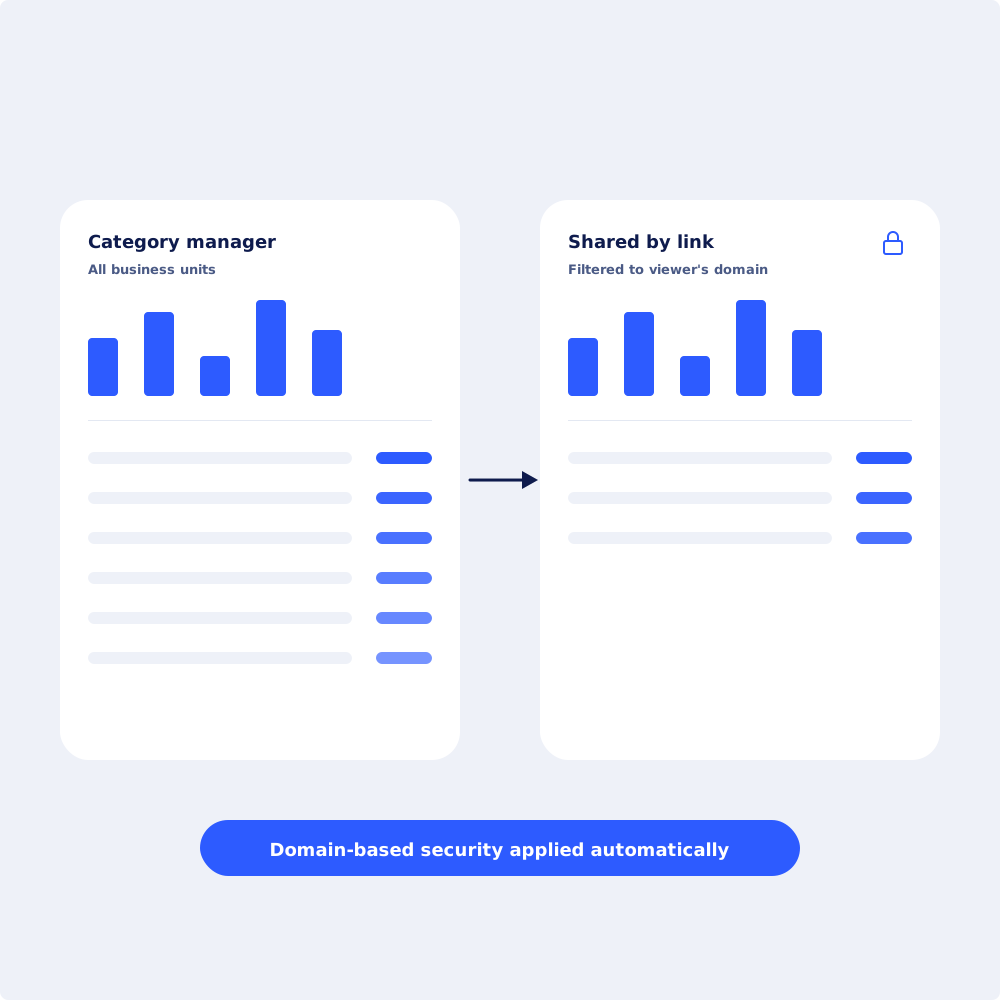
Yes. Canvases are shared by link, and domain-based security filters what each viewer sees, so a shared view never exposes data a viewer is not cleared for. Role-based access control, SSO via SAML 2.0 and OIDC, and MFA through your identity provider apply to every canvas.